
Three years ago, 24/7 monitoring was something only enterprise IT budgets could justify. Today, it's the difference between catching a breach in minutes and discovering it in a customer's inbox — because attackers have shifted their focus toward exactly the businesses that assume they're too small to be a target.
We work with dozens of mid-sized companies, and the pattern is consistent: the businesses that get hit hardest aren't the ones with weak defenses — they're the ones whose defenses go unwatched outside office hours.
Why the threat landscape changed
Automated attack tooling doesn't take weekends off, and neither do the attackers running it. Credential-stuffing bots, scanning worms, and ransomware droppers operate on a 24-hour clock, probing for the exact window when a company's internal team has gone home.
"The average time to detect a breach without continuous monitoring is measured in days. With it, we're talking minutes." — Internal incident response data, Devotion Technology
What continuous monitoring actually changes
It's not just about having someone awake at 3 a.m. Proper 24/7 monitoring combines automated alerting, a trained team to triage those alerts, and a documented response plan so action happens without waiting for approval chains.
- Faster containment — isolating an affected system within minutes rather than hours limits how far an intrusion can spread.
- Fewer false alarms — mature monitoring tunes out noise so real incidents don't get lost in a flood of low-priority alerts.
- Compliance coverage — many frameworks now expect documented, continuous oversight, not periodic checks.
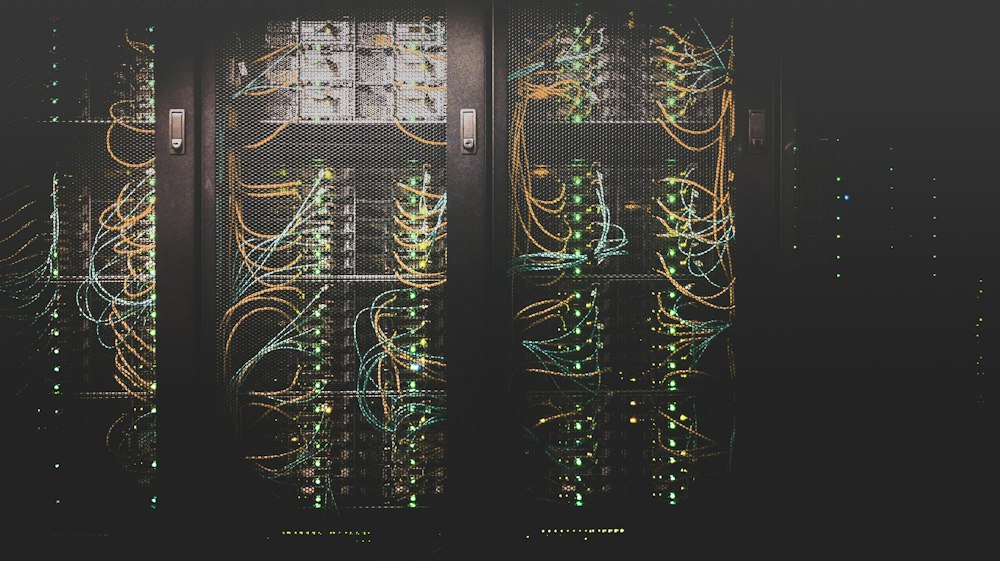
The cost of the alternative
Downtime from an undetected incident tends to cost far more than the monitoring service that would have caught it early. Beyond the direct recovery cost, there's the harder-to-price damage: lost customer trust, delayed projects, and the internal hours spent reconstructing what happened after the fact.
Quick takeaway
If your current setup only reviews logs during business hours, you have a blind spot for roughly two-thirds of every day. Closing that gap is usually one of the highest-return changes a growing business can make to its security posture.
Getting started without overhauling everything
You don't need to rebuild your whole stack to add continuous monitoring. Most teams start by connecting existing logging and alerting tools to a managed monitoring service, then layering in a response plan for the alerts that matter most.
- Audit what's currently logged and where those logs live.
- Identify the handful of alert types that represent real risk.
- Put a 24/7 escalation path in place for those alerts specifically.
- Expand coverage gradually as the process proves itself.
Security doesn't have to be all-or-nothing. Starting with the highest-risk gaps and building outward gets you most of the benefit without the disruption of a full overhaul on day one.





Comments (3)
Great breakdown. We rolled out something similar last quarter and the drop in false-positive alerts alone made it worth it.
ReplyCurious how you'd recommend prioritizing which alert types to escalate first for a 15-person team with no dedicated security hire yet.
ReplyThe point about compliance coverage is underrated — this came up directly in our last audit.
ReplyLeave a comment